

Dog Ear Trouble: Groomer or Vet? How to Tell Which You Need
Lillian Ruff Pet Spa
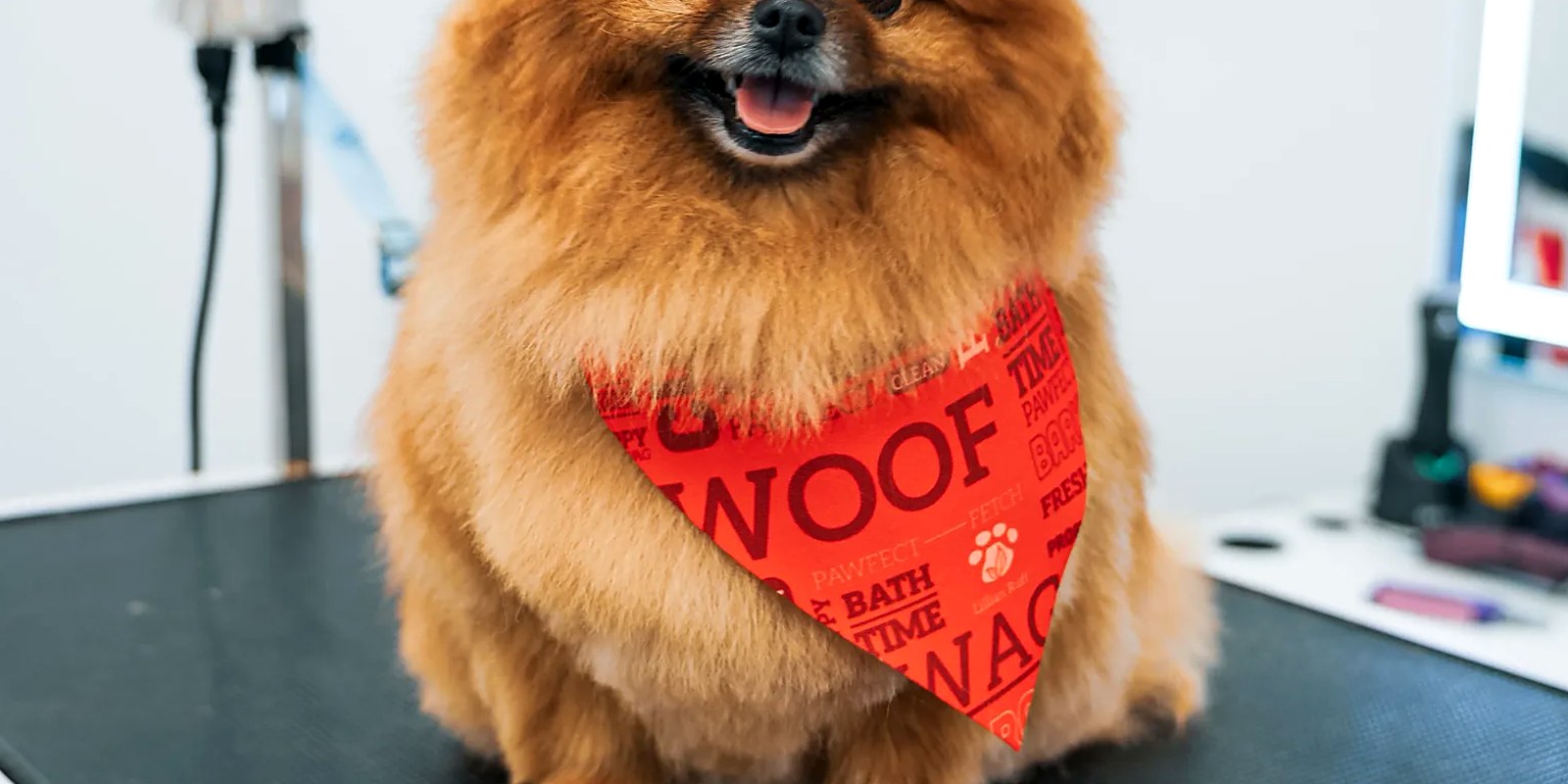
A dog shaking their head at nine at night looks exactly like a dog who just needs their ears cleaned. Sometimes that is all it is. Sometimes it is the one thing a groomer should not touch. Here is how to tell the difference before you pick up the phone — from a salon on Laurel Road in East Northport.
Smell, discharge, redness, heat, pain when touched, repeated head shaking or a head tilt all point to your vet, not to a groom. Ears that look clean, smell of nothing much and do not bother the dog are routine upkeep, and that is part of what a bath or full groom is for.
Routine maintenance versus a problem: the line that matters
Groomers are not veterinarians. In New York we are not licensed to diagnose anything, and we cannot prescribe or apply medication. That is not a technicality we hide behind — it is what makes the split clean.
We handle the outside of the ear, we keep the inside dry, and we look. When something looks like more than wax, the useful thing we can do is tell you clearly and early, so you get to the vet before it becomes a painful weekend.
Groomer territory
- Everyday wax on a healthy, comfortable ear
- Keeping water out during the bath
- Drying the ear properly afterward
- Hair around the opening on coats that grow it
- Trimming feathering on heavy drop ears
- Spotting a tick tucked in an ear fold
- Telling you what we saw, honestly
Vet territory
- Any smell coming off the ear
- Discharge of any color
- Redness, swelling or heat
- Pain, flinching or growling when touched
- Persistent head shaking or scratching
- Head tilt, wobbliness, changed hearing
- The same problem coming back again and again
Signs that mean book a vet appointment, not a groom
You do not need to work out what is wrong. You only need to notice that something is, then hand it to the person allowed to look inside the canal and take a sample.
| What you are seeing | What to do |
|---|---|
| Yeasty, sour or sweetish smell when you lift the flap | Vet first. A smell is never just cosmetic. |
| Brown, yellow or black discharge, or damp gunk on the inner flap | Vet first. Wiping it away removes the evidence they need. |
| Red, hot or swollen skin inside the ear | Vet first. Do not put anything in the ear until they have seen it. |
| Your dog pulls away, yelps or snaps when you touch the ear | Vet first. A painful ear will not tolerate a groom either. |
| Head shaking or ear scratching that has gone on for more than a day or two | Vet first. |
| Head tilt, loss of balance, or not responding to sound | Call your vet the same day and describe it on the phone. |
| Ears look clean, smell of nothing, dog is unbothered | Routine. Book the bath or full groom. |
If the flap itself swells into something soft and balloon-like, usually after a stretch of hard head shaking, that is a vet call, not a grooming question. We would not work on it, and squeezing or massaging it at home is not a good idea.
If you have already booked and you notice any of the above, tell us at drop-off. We may bathe the dog and leave the ears alone, or suggest you see the vet first and come back after. Grooming an ear that already hurts teaches a dog that the table is where the pain happens, and that lesson lasts years.
What ear care during a bath or full groom covers
People are often surprised by how modest the answer is. Good ear care in a salon is mostly restraint plus attention.
We look before anything gets wet
Flap up, quick look and a quick sniff, and a note of anything worth telling you about at pickup.
Water stays out
The single most useful thing a groomer does for ears. A wet canal is a canal that stays warm and damp for hours.
The outer ear gets wiped
Visible wax and grime on the flap and the outer folds. We are not going digging down the canal, and neither should you.
Hair at the opening, only if it is genuinely in the way
On coats that grow it, we may thin or trim. We do not routinely pluck a quiet, healthy ear and will not touch an inflamed one. Your vet's instruction wins over any general rule. More in our post on ear plucking.
Dry, then tell you
Ears get dried deliberately, not left to the dog. Then you hear what we saw, including nothing at all, which is the usual answer.
That check is normal practice on a bath and brush as much as on a full haircut. If you want us to look especially carefully — a dog who swims, a dog with a history — say so when you book.
Breeds and coat types where ears need attention more often
Ear anatomy is not evenly distributed. Some dogs go their whole lives without an ear ever being a topic, and their owners reasonably assume everyone else is fussing over nothing.
Two local notes. Ticks: New York State tracks deer ticks in two windows — nymphs May to September, adults October to December — and Suffolk County sits well inside the risk map. Ear folds are a favorite hiding spot, and a groomer often finds one first. Water: Town of Huntington code keeps dogs off all town beaches except the paved areas and boardwalks. Wherever your dog does end up wet — the tub, a hose in the yard, rain on a long walk — the ears want drying on purpose afterward rather than being left to sort themselves out.
If you are unsure, do this first
Thirty seconds at home settles most of it. Do it in decent light, with a calm dog, before you decide who to call.
- Lift the flap and smell. A healthy ear smells of almost nothing. If it has a smell, you have your answer.
- Compare left to right. One red ear beside one normal ear tells you far more than judging a single ear against memory.
- Touch the base gently. Any flinch, pull-away or hard stare is pain, and pain is a vet question.
- Watch for a minute. Repeated shaking, tilting, or rubbing along the sofa is a pattern, not a one-off itch.
Any yes on that list, call your vet. All clear, book the groom and mention the ears in the notes so we look closely.
The best ear appointment we have is the one where we look, find nothing, and say so.
Questions people actually ask
You flag my dog's ears at drop-off. What happens to the appointment?
We talk it through with you before anything happens on the table. Usually there are two sensible ways to go: we do the bath or the haircut and leave the ears completely alone, or you take the dog to your vet first and we pick the coat back up once the ears are settled. Either way you hear it at drop-off rather than as a surprise at pickup. If you already suspect something before the day, put it in the booking notes and we will look at the ears first thing.
My dog only needs the ears done. Do I have to book a full groom?
No, and often you should not. A bath and brush is the smaller, cheaper option and includes the same ear check. If the ears are genuinely a medical issue, your vet is the right call and we will say so rather than take the booking.
How much is it?
Both services are priced by your dog's weight, smallest to largest: bath and brush runs $45 to $125, and a full groom with a haircut runs $85 to $165. The full range is on the grooming page, and you can book online.
Do you pluck ear hair?
Only when hair is genuinely packing the opening, and never on an ear that looks irritated. Our default on a quiet, healthy ear is to leave it be. If your vet has told you to do it differently, tell us and we will follow that.
You found a tick in my dog's ear. What now?
We will point out exactly where it is and what we can see. What happens next — removal and anything that follows a bite — is a conversation for your vet, particularly in Suffolk County, where deer ticks are tracked from May right through December.
Ears fine, coat overdue? Book the groom.
Pick a bath and brush or a full groom online, add a note about the ears, and we will take a proper look on the table.
See pricing & book ›16 Laurel Rd, East Northport, NY 11731 · Tue–Sat 9–5
Ready to Pamper Your Pet?
Book a grooming appointment today and give your furry friend the spa treatment they deserve.
Book an Appointment