
Tree Sap, Gum and Tar Stuck in Dog Fur: Safe Removal
Lillian Ruff Pet Spa
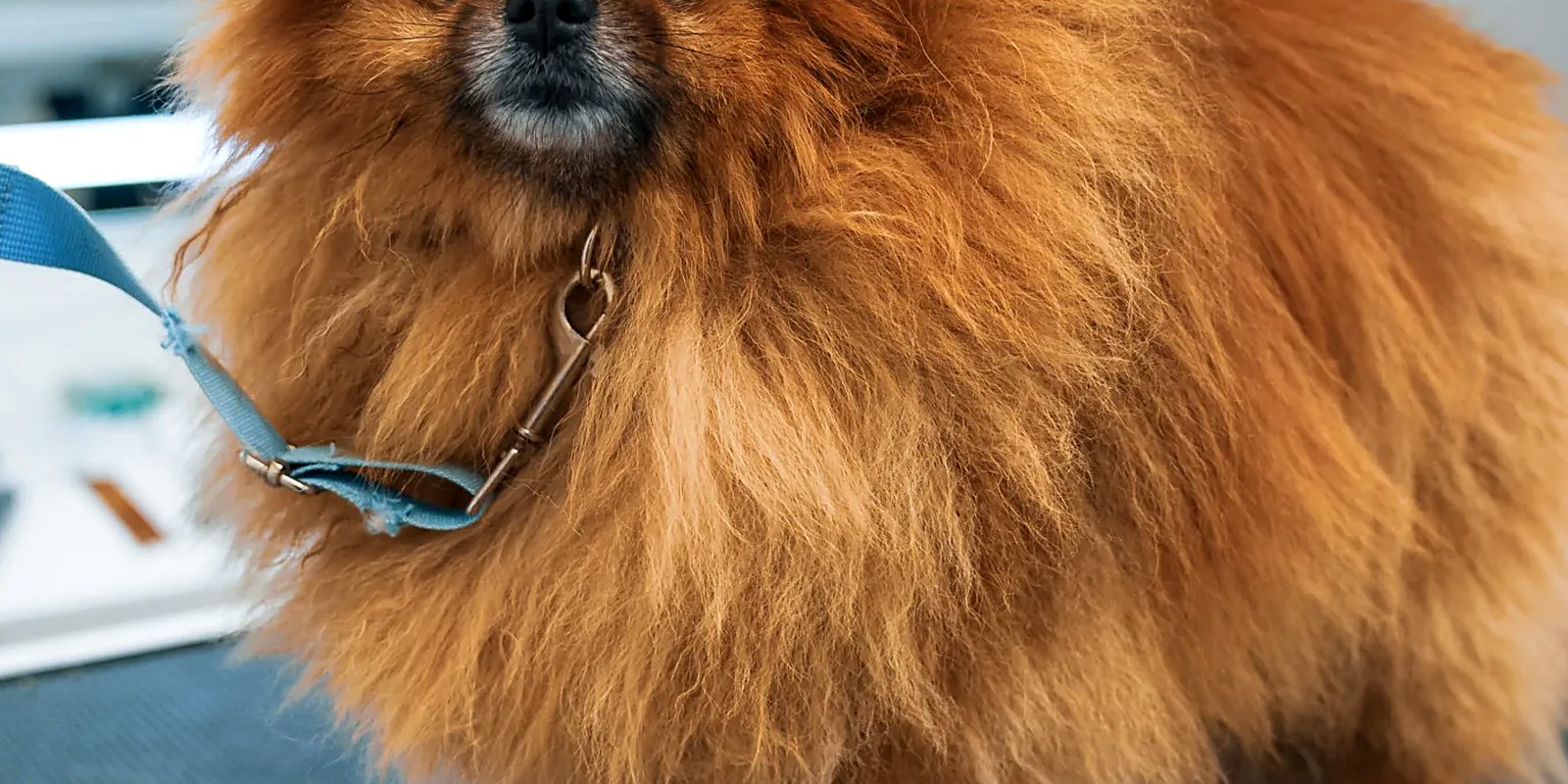
If your dog has something sticky welded into its coat right now, put the scissors down and read the next two paragraphs. Sap, gum and tar are not mats. They come out with a different sequence, and the wrong household chemical does more damage than the sticky patch ever would.
Soften sap and tar with a plain edible oil. Harden chewing gum with ice. Then comb the patch out from the ends inward, and wash the oil out afterward. Never use nail polish remover, gasoline, paint thinner, adhesive remover or hand sanitizer on a dog.
Sap, gum and tar behave differently
People lump these together because they all feel the same in your fingers. They do not respond the same way.
Tree sap is a resin. It arrives soft and tacky, then loses its lighter compounds to the air and turns glassy and brittle over hours to days. Warm, oily conditions soften it back up. That is why oil is the right first move: you are reversing the hardening, not dissolving it.
Chewing gum is the opposite animal. It is a rubbery base that goes stringier and stickier the warmer it gets. Body heat and a warm bath make gum worse. Cold makes it brittle enough to fracture and lift away in pieces.
Road tar and driveway sealer sit somewhere in between: oil-soluble like sap, but far more likely to be swallowed, because it usually lands on paws and legs, which are the parts a dog licks. Tar is the one where the goal is removal, not artistry.
| Contaminant | What it does in the coat | What actually loosens it |
|---|---|---|
| Tree sap / resin | Tacky at first, then hardens into a bead that glues hairs into a solid clump | Plain vegetable, olive or coconut oil, worked in and left to sit |
| Chewing gum | Softens and spreads with body heat; strings out further every time it is touched | An ice cube in a bag held against it until it goes brittle |
| Road tar / sealer | Coats paws, pasterns and belly fur; gets licked | Oil, patience, and a proper wash — plus stopping the licking first |
Things that should never go on a dog
Assume that whatever you put on the coat ends up in the mouth. A dog will lick a treated patch within minutes of you turning your back, and thin skin under the arms, on the belly and between the toes absorbs far more than the skin on your own hands does.
Safe to reach for
- Vegetable, olive, canola or coconut oil
- Ice, in a sealed bag or a cloth
- A fine-tooth steel comb and a slicker brush
- Dog shampoo, and a lot of rinsing
- Clippers, if you own them and know the blade
Never, under any circumstances
- Acetone or nail polish remover
- Gasoline, kerosene, diesel, lighter fluid
- Paint thinner, mineral spirits, turpentine
- Adhesive and label removers, degreasing sprays, WD-40
- Rubbing alcohol or hand sanitizer in any quantity
- Hydrogen peroxide or bleach to lighten the stain
Peanut butter is a popular internet fix for gum. Plenty of brands now contain xylitol, which is dangerous to dogs — plain cooking oil does the same job with none of the risk. And a hot bath as step one is a mistake for all three: shampoo lather spreads the sticky patch wider and drives it down toward the skin. Treat the spot first, wash second.
The safe household sequence
Stop it getting worse
Leash or crate the dog. No more walking, no rolling on the rug, and no other dog mouthing at it. If it is on a paw, the priority is preventing licking, not removing the patch.
Isolate the section
Part the coat with your fingers and find where the sticky mass actually ends. It is almost always smaller than it looks and larger than you hoped.
Soften or harden
Sap and tar: saturate with oil, massage it in, give it ten to fifteen minutes. Gum: hold ice against it until it is hard and dull, then break it into pieces with your fingers.
Comb from the ends inward
Hold the hair at the base so you are pulling against your own hand, never against the skin. Take the tips first and work up in small bites. If the comb stops moving, add more oil rather than more force.
Wash the oil out properly
Oil left in the coat collects dirt and can irritate skin. Lather, rinse, and rinse again until the water runs clear and the coat squeaks slightly.
Give yourself a limit before you start. If fifteen or twenty minutes of patient work has not moved it, or the dog has stopped cooperating, stop. Nothing is gained by a second hour, and a dog that learns the comb means pain is a much harder problem to fix than a bit of resin.
The coat grows back. A scissor cut on thin belly skin takes far longer to forgive.
When cutting is the kinder option
Sometimes the honest answer is that the section comes off. That is not failure — a small clipped patch that vanishes in a few weeks of regrowth beats an hour of tugging at a dog who now hates being handled.
If you do cut at home, use blunt-nosed scissors, slide a comb flat between the skin and the blade so the blade physically cannot reach the dog, and cut into the clump rather than across the base of it. Never lift the skin to get underneath. Loose skin tents up between your fingers and feels exactly like a fold of hair, and that is how most home grooming cuts happen.
How a groomer decides
When a sticky dog comes in, the assessment takes about a minute and it is mostly about time and tolerance rather than heroics.
- How set is it. Fresh sap that is still tacky usually combs out. A bead that has gone glassy has effectively cemented a bundle of hairs together, and each one has to be freed individually.
- Where is it. A patch on the shoulder or the outside of the thigh is easy access. The same patch behind an elbow is not.
- What is the coat doing anyway. If the dog is already due for a haircut, taking the length down solves the problem and gets a groom out of it, rather than spending the whole appointment on one spot.
- What does the dog think. A dog that will lie on its side for twenty minutes gets the patient version. A wriggler gets the quick, clean version.
Practically, sticky contamination gets handled inside a normal appointment. A bath and brush runs $45 to $125 depending on the dog's weight, and a full groom with a haircut runs $85 to $165 on the same weight banding — both are published on the booking page, so you can see the number before you commit to anything. Book a full groom if the patch is likely to become a haircut; book a bath and brush if it is one small spot on an otherwise tidy coat.
Sticky patches usually come from ordinary errands rather than anything dramatic: gum on a sidewalk, resin picked up under evergreens, soft sealer or tar off a parking lot on a hot afternoon. Around here that means the shopfronts along Larkfield Road, the Main Street sidewalks in Northport Village where the water bowls come out, and the on-leash paths in the town parks. The Town of Huntington's off-leash run on Deposit Road, in this same hamlet, is another place a dog can come home tacky and you will not know until you sit down next to them.
Worth knowing for planning: the East Northport salon is grooming only, Tuesday through Saturday, and we are closed Sunday and Monday. If a sap problem happens on a Sunday, do the oil-and-comb sequence at home, keep the dog from licking the spot, and get it looked at when we open.
When it stops being a grooming problem
Groomers are good at spotting skin, and bad at diagnosing it — that is a vet's job, and it should stay that way. Stop working on the patch and call your veterinarian if you see any of the following.
If a solvent has already gone onto the coat before you read this, rinse the area with plenty of lukewarm water and call your vet or an animal poison control line for advice on that specific product. Do not wait to see how it goes. Sugar-free gum is worth a call on its own — xylitol matters more than the fur it is stuck to.
Questions people actually ask
Will dish soap get sap out?
Dish soap is a degreaser, so it helps at the wash stage after oil has done the softening. It will not break down hardened resin on its own, and used repeatedly it strips the coat and dries the skin. Use it once if you need it, rinse hard, and go back to dog shampoo afterward.
Can I just cut the sap out myself?
Often, yes — with blunt-nosed scissors and a comb held flat between the blade and the skin. The two places not to attempt it are anywhere near the eyes and anywhere the skin is loose enough to tent up, which is most of the underside of a dog.
My doodle has sap right down at the skin. Is the haircut ruined?
Usually not ruined, but it may end up shorter than you planned in that area. Curly coats hold resin along the whole length of the hair, so the tidiest result is often blending the section into a slightly shorter overall trim rather than leaving one bald patch.
Do I need to book a full groom, or is a bath enough?
One small, fresh patch on a well-kept coat is a bath and brush. Multiple patches, anything set hard, or a dog already overdue for a haircut is a full groom. If you are unsure, book the full groom — it is easier to finish early than to run out of time.
Can you take us same day?
We do not promise same-day or walk-in service, and we are closed Sunday and Monday. Book online and take the earliest slot that shows as available. In the meantime, oil the patch, keep the dog from licking it, and do not let it dry out further.
How do I stop it happening again?
Check paws and the underside of the chest after walks, especially in warm weather when sealer and gum are soft. A coat kept brushed out and free of mats is also much easier to clean, because there is nothing for a sticky patch to anchor into.
Bring the sticky dog in.
Pick the service and the time online, see the price for your dog's weight before you book, and we will look at the patch when you arrive.
See pricing & book ›16 Laurel Rd, East Northport, NY 11731 · Tue–Sat 9–5
Ready to Pamper Your Pet?
Book a grooming appointment today and give your furry friend the spa treatment they deserve.
Book an Appointment