

Lost Dog in 11779: Who to Call, in What Order
Lillian Ruff Pet Spa
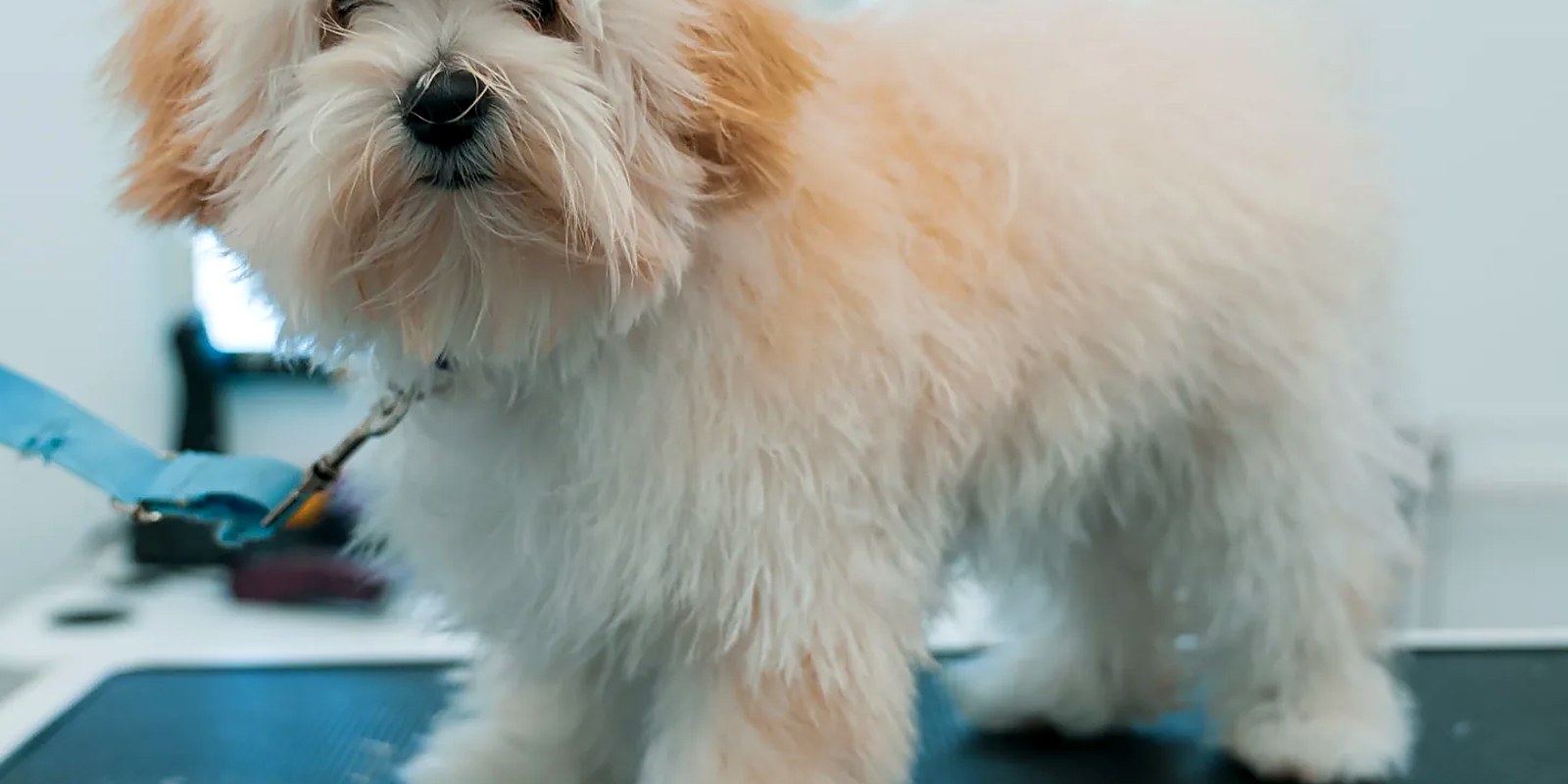
If your dog is loose right now, read the box below and start making calls. Everything after it is the long version, and you can come back to it once the phone is ringing.
One person stays at the exact spot the dog was last seen and does not move. Everyone else works the phone: the microchip registry first, then animal control for your town and the towns next to you. Do not all get in cars and drive around. That is the most common way a first hour disappears.
Hold the last known spot
Dogs often circle back. Someone stays put with a leash, something that smells like home, and high-value food. Leave a door or a gate open at the house if you can do it safely.
Call the microchip registry
Confirm your phone number is current and ask them to flag the chip as lost. This is the call people skip. It is the one that pays off days later.
Call animal control for your town
And then call the neighboring towns as well. See the next section for why that matters more here than in most places.
Call vet offices, including an emergency hospital
Someone who finds a frightened or injured dog often drives to whichever vet they can get to, not to a shelter. Vet front desks take found-dog reports.
Post, with the right photo
Current coat, whole dog in frame, nearest intersection, and your phone number typed out as text rather than only inside the image.
Put paper signs at the nearest intersections
Block letters, four or five words, a big phone number, readable from a slow-moving car. Not everyone who might see your dog is in a neighborhood group.
A frightened dog runs from a running human, and that includes you. Stop, sit down on the ground, turn side-on, and look away. Toss food, do not offer it from your hand. Opening a car door and getting in yourself works on more dogs than calling their name does.
Work out which town's animal control covers your street
There is no such thing as Ronkonkoma animal control. Ronkonkoma is an unincorporated hamlet in Suffolk County, and the area around Lake Ronkonkoma is split across more than one town. Animal control is a town service, which means two houses a short walk apart can be served by two different town governments, with two different shelters and two different phone numbers.
So before you can make the call, you need to know which town you are in. Three ways to settle it in under a minute:
- Your dog's license paperwork or license tag. Dog licenses are issued by a municipal clerk, so whoever issued yours is your town.
- Your property tax bill. It names the town that levies it.
- If you cannot find either, call the police non-emergency line for your area and ask which animal control covers your address. It is a normal call for them to take.
Then do the thing most people do not do: call the neighboring towns too. A dog on foot does not know where a town line runs, and whichever town's officer picks the dog up is the shelter it gets logged into. If you only call your own, and your dog crossed a boundary two streets over, your report and your dog are sitting in two different filing systems.
When you call, give the nearest intersection and a fixed landmark, not the hamlet name. "Ronkonkoma" does not narrow anything down for a dispatcher covering a large town. A cross street does. If the dog was last seen near the LIRR station, say so plainly — it is a major Main Line commuter and park-and-ride hub, so there are a lot of people passing through who might notice a loose dog, and a lot of vehicles moving around them. Both are worth saying out loud on the call.
| Who to call | Why they matter | Have ready |
|---|---|---|
| Microchip registry | Flags the chip so any scan anywhere raises an alert | Chip number, current cell phone |
| Your town's animal control | The officer who picks up a stray works for a town | Cross street, time last seen, breed, weight, coat length, collar color |
| Neighboring towns' animal control | A loose dog has no idea where the town line is | The same description, word for word |
| Local vet offices | Where a finder often takes a scared or injured dog | A photo you can text or email |
| An emergency vet hospital | Somewhere to check when regular offices are closed | Your name and two phone numbers |
| The rescue or breeder you got the dog from | The chip may still be registered to them | Adoption or purchase paperwork |
The microchip registry call almost everyone forgets
A microchip is not a tracker. It does not have a battery, it does not have a location, and it will not tell you which way your dog went. It is a number under the skin, and that number is only worth anything if a registry somewhere has a phone number that still rings.
A microchip is not a tracker. It is a phone number that has to still work.
Three ways a chip quietly stops working, all of them common:
Your chip number is usually on your adoption paperwork and often printed on the rabies certificate. If you have the number but no idea which company holds the record, start with whoever implanted it — your vet, the rescue, or the breeder can tell you where the registration went. What you want from the registry itself is three things: confirmation that a record exists, confirmation that the phone number on it is the one in your pocket right now, and a note on the file that the dog is missing.
If your dog is asleep at your feet as you read this, do it now anyway. It takes ten minutes on a calm afternoon and it is impossible on a bad one.
Where found dogs actually get reported
A found dog gets reported to whoever is nearest to hand. Sometimes that is a town shelter. Sometimes it is a vet's front desk. Sometimes it is a neighborhood group and nowhere else. Treat that as three separate jobs rather than one: your report needs to sit in the official intake log, at vet desks, and on whichever neighborhood platforms your area actually uses. No single one of them covers the others.
What helps
- One clear photo of the dog as it looks today
- Nearest intersection plus the time last seen
- Phone number typed as text so it can be copied
- Searching found-dog posts, not only writing lost ones
- Re-posting each morning so it stays near the top
- Paper signs at the closest intersections
What eats the hour
- Driving around calling the dog's name
- A photo from last winter with a different coat
- Posting only to one group and waiting
- Describing the dog by breed instead of by size and color
- Assuming the shelter will call you back first
- Chasing a dog that has already stopped recognizing you
Describe the dog the way a stranger would see it. Not "goldendoodle, apricot" — say "curly cream-colored dog, about forty pounds, freshly cut short, red collar, no tags." Most people cannot name a breed. Everyone can match a color and a size.
Why a found dog cannot stay with us
We are at 835 Portion Rd, and we are open seven days a week. People do sometimes ask whether they can drop a stray here, and the honest answer is no — and the reason is worth understanding, because it applies to every boarding kennel in the county.
We are a grooming, daycare and boarding facility, not a shelter. Suffolk County Code § 302-13 requires a boarding kennel to have a current health certificate from a licensed veterinarian before it accepts any dog — covering rabies, distemper, hepatitis, parainfluenza, parvovirus and coronavirus within the past year, unless it is an approved three-year vaccine certified by the vet, plus bordetella within the past six months. A dog with no owner and no paperwork does not clear that, and it should not, because there are other people's dogs in the building. Animal control is the agency with both the authority and the holding facility for a stray. Confirm current requirements with your own vet and with us before any boarding stay.
If you have found a dog, the call list at the top of this page is the same one to work through — starting with the town, not with the nearest business. And if it is the middle of the night, do not drive to a closed storefront and stand in a parking lot. Call animal control or the police non-emergency line.
Prevention: current tags, a registered chip, and a recent photo
A tag is the only part of this that works with no equipment, no database and no phone call. A stranger holding your dog in the street can read it. Everything else is a slower backup.
- Tag. Hold it at arm's length and read it out loud. If you have to squint, it is worn out and a stranger holding a wriggling dog has no chance. Replace it. Cell number, not a landline you never answer.
- License and rabies. New York requires a dog to be licensed and rabies-vaccinated from four months of age under Agriculture and Markets Law § 109. The license also ties your dog to a town, which is exactly the link you need on a bad day.
- Chip. Registered in your name, with the number you actually answer. Check it once a year — pick a date you already remember, like the annual vet visit.
- Photo. Standing, side-on, natural light, whole dog in frame, plus one close-up of any distinguishing mark. Take a fresh one after every haircut.
That last point is a groomer's warning more than anything. A doodle that came in with four inches of coat and left with a half-inch summer trim is not the dog in your camera roll, and a photo of the wrong dog is worse than no photo, because people stop looking. If your dog goes missing in the week after a groom, describe the coat it has now.
One more small thing we see constantly: collars come off for a bath. Before you leave the parking lot, run a finger over the tag and check the ring actually closed. A dog that slips out of the yard that evening with its collar sitting on the kitchen counter is a very ordinary way for a very good day to go wrong.
Questions people actually ask
Should I call 911 if my dog is loose?
A dog running in moving traffic is a road hazard and a genuine safety issue, so that is a reasonable emergency call. A dog wandering a quiet street is not — use the non-emergency line and ask them to route you to the right animal control.
My dog's chip was never registered. Is it useless?
Not useless, but much weaker. A scan still produces a number that can be traced back to the implanting clinic or rescue, which may lead to you eventually. It just will not happen in the first hour, which is where a tag wins. Register it today.
How long will a shelter hold a found dog?
Hold periods are set at the municipal level and we are not going to guess at yours. Ask the shelter directly, ask where the dog is physically kept, and go in person if you can — a description read over the phone is easy to file wrong, and a face at the counter is not.
Can you board a found dog until the owner turns up?
No. Suffolk County requires a current veterinary health certificate before any dog is accepted at a boarding kennel, and a stray does not have one. The dog needs to go to animal control, which is the agency with the authority and the holding facility for it.
Where can a found dog be scanned for a chip?
Vet offices and town animal shelters are the places to ask. Call first rather than driving over — one phone call tells you whether they can scan, whether you need an appointment, and what it involves. Do not assume, and do not let the dog stay loose while you work it out.
Is a GPS collar worth it?
For a dog that has bolted once, yes, and it is the only thing on this page that tells you where your dog is right now. It is an addition to a tag and a registered chip, not a replacement — batteries die and collars come off.
Check the tag before you leave.
Book a groom, and take a fresh side-on photo of your dog in the parking lot afterward. Ten seconds, and it is the picture you would want.
See pricing & book ›835 Portion Rd, Ronkonkoma, NY 11779 · Open 7 days, 9–5
Ready to Pamper Your Pet?
Book a grooming appointment today and give your furry friend the spa treatment they deserve.
Book an Appointment