
Coat Never Grew Back After a Shave-Down: What Happened
Lillian Ruff Pet Spa
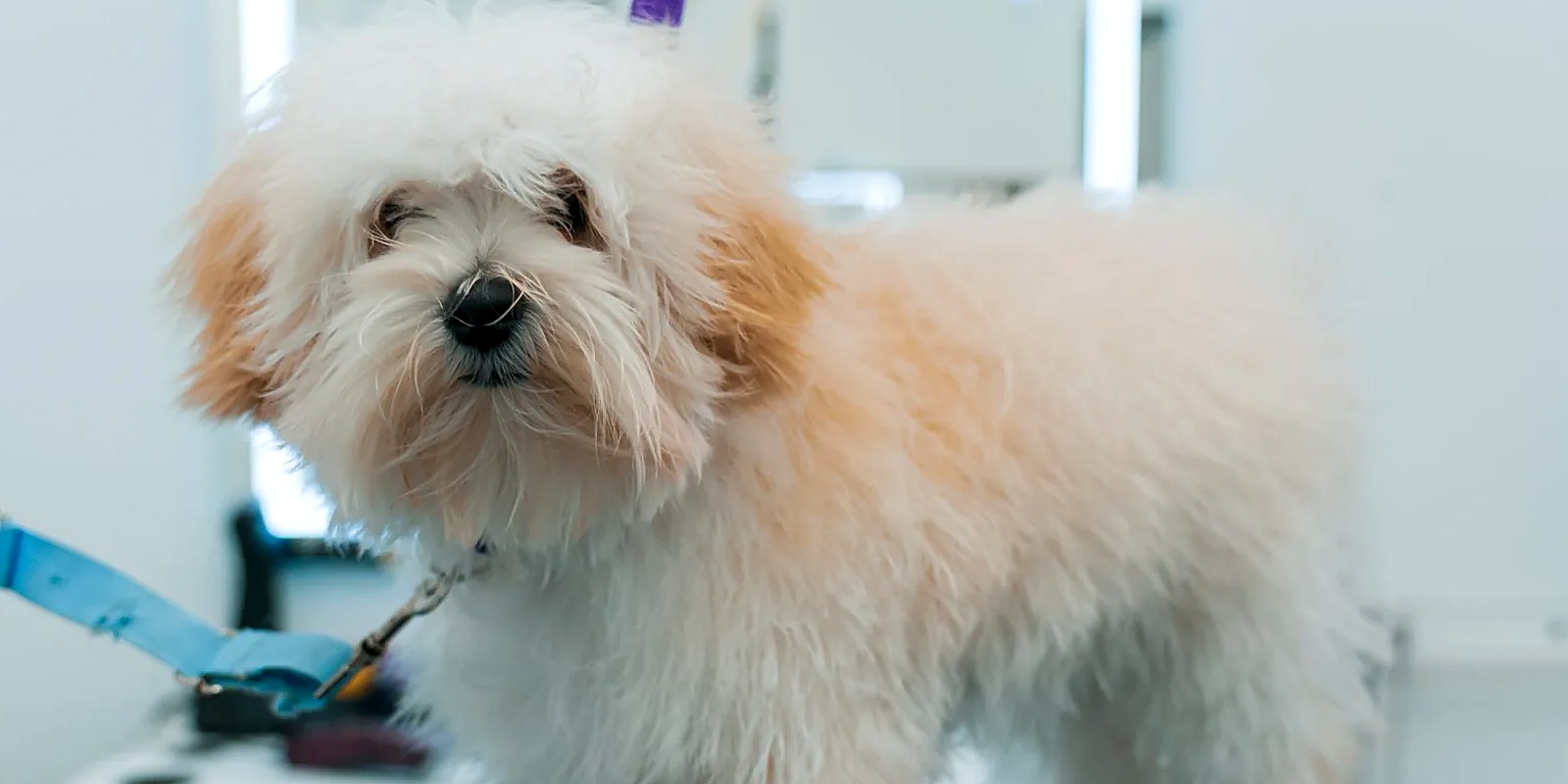
Your dog was clipped short last summer. It looked fine at the time. Now it is months later, the coat is soft and woolly in some places, thin or bare in others, and it does not look like it is going anywhere. You are not imagining it, and you are not the first person to notice it long after the appointment.
On a double-coated dog, undercoat grows back quickly and the coarse outer guard hairs are much slower — so for a long stretch the coat looks soft, patchy and wrong even though it is still coming in. That part is usually a waiting game. If bare skin comes with flaking, darkening, odor or itching, or the thinning is even on both sides of the body, stop guessing and see your vet.
Why owners notice months later, not weeks later
A double coat is two different things doing two different jobs. The undercoat is the soft, dense layer underneath that insulates. The guard hairs are the coarser outer layer that sheds water, carries most of the color and takes the sun.
After a very short clip, the undercoat is usually first back. Within a few weeks there is fuzz, the dog looks like it is filling in, and nobody worries. The guard hairs are the slow ones. On some dogs they come through on schedule and the coat closes up. On others they lag badly, and what you are left with is a dog wearing only its underlayer — soft, dull, sticking out in odd directions, sometimes with genuinely bare patches over the hips or along the back.
That gap is why the worry arrives late rather than early. Nobody is alarmed in week two, because there is fuzz and fuzz reads as progress. The doubt sets in much further along, when the fuzz has plateaued, the outline of the old clip is still visible, and the coat has stopped looking like it is on its way anywhere. Nothing dramatic happened in between. One layer simply finished its job and the other never caught up.
The breeds it shows up on most are the obvious ones: Labs and goldens, huskies and malamutes, German shepherds, Aussies, Bernese, corgis, Pomeranians, chows and akitas. The usual triggers are a summer clip requested in good faith, a shave for surgery or an ultrasound, or a coat so badly pelted that clipping was the only humane way to get it off.
What normal regrowth looks like, and what does not
On track, just slow
- Even fuzz across the whole clipped area, even if it is soft
- Coarser hairs starting to push through the soft layer
- Skin underneath looks like skin everywhere else — same color, no flaking
- Month to month it is measurably longer, even if barely
- No itching, no smell, no sores
Worth a closer look
- A patch that stays genuinely bare while everything around it fills in
- Skin that has thickened, darkened or gone scaly
- Redness, odor, greasiness or constant scratching at the site
- Thinning that is symmetrical — both flanks, both back legs, the tail
- Coat changes alongside weight change, drinking more, or low energy
The distinction that matters most is the last one on each side. Slow regrowth after a clip is patchy in a random, clipper-shaped way. Hair loss that arrives in a neat mirror image on both sides of the body did not come from a set of clippers.
Texture and color changes after a very short clip
None of this is damage in the sense of a burn or a wound. The follicle is not cut by clippers. It is a coat cycle that has been interrupted and is restarting unevenly, and on a dog that carries two coat types the restart is rarely tidy.
When it stops being a grooming question
There are hormonal and other medical causes of hair loss that look very similar to slow regrowth, and they are sorted out with an exam and blood work, not with a brush. Symmetrical thinning, skin that is changing color or texture, or coat loss with any other change in how your dog is doing, all belong with your veterinarian. We can tell you what a coat is doing. We cannot tell you why the body is doing it, and we will not guess.
If you are heading to the vet, take photographs. Same spot, same light, once a month. A groomer's opinion that it "seems slower than usual" is worth far less than four dated pictures showing what has and has not filled in.
Why we will steer you to a de-shed instead
Most people asking for a summer shave want the same two things: a cooler dog and less hair on the couch. A thorough bath and blow-out gets you both without taking the coat off.
Bath and full rinse
A dense coat holds shampoo. Getting it properly clean and properly rinsed is most of the work and is why bathing a husky at home is such a grim afternoon.
High-velocity dry
Forced air drives loose undercoat out of the coat rather than pulling it. This is the step that produces the alarming pile of hair and the noticeably lighter dog.
Rake and brush through
What the dryer loosened comes out by hand. Air moves through the coat again, the dog is cooler, and the outer layer is still doing its job.
Book that as a bath and brush. If you ask us to shave a healthy double-coated dog for the summer, we will explain why we would rather not, and what we would do instead. And if your dog arrives pelted — undercoat felted tight to the skin, where a brush cannot pass — we will tell you honestly that clipping is the kind option and that the regrowth may be slow. That conversation happens before anything is switched on, not after.
The coat works in both directions here. Winters are cold enough to matter — the nearest official weather station, at Islip, records average daily lows below freezing in December, January and February. Summers matter too: a dog with its guard hairs missing has less between its skin and the sun on the paved paths at Northport Village Park or at the Town of Huntington dog run on Deposit Road, which is in this same ZIP code. Shorter hair does make tick checks easier, and New York State runs its deer tick nymph surveillance from May through September, but a check after a walk works on any coat length. That alone is not a reason to clip a dog down.
What to do with a coat that came back uneven
- Stop clipping it. Every re-clip interrupts the guard hairs again. Tidying feet, sanitary areas and ear fringe is fine. A second full body clip to "even it up" is the one move that reliably makes the next year worse.
- Brush the woolly parts more, not less. Soft regrowth mats faster than the coat it replaced, and a mat over a thin patch is the thing that forces another clip.
- Keep it clean and properly dried. Regular bathing and a real blow-dry keep the skin in decent shape while the outer coat catches up.
- Take monthly photos. Regrowth this slow is invisible day to day and obvious across four months of pictures.
- Ask your vet before starting supplements. Coat oils and skin supplements are easy to buy and not all of them are neutral. That is a conversation for the practice, not the pet aisle.
It is also worth being honest with yourself about the calendar. A double coat is not a haircut you can iterate on. Whatever comes back arrives on the dog's timetable, not yours, and the only lever you actually control is whether you interrupt it again. Patience is genuinely the treatment here, which is an unsatisfying thing to be told and the truest thing we can tell you.
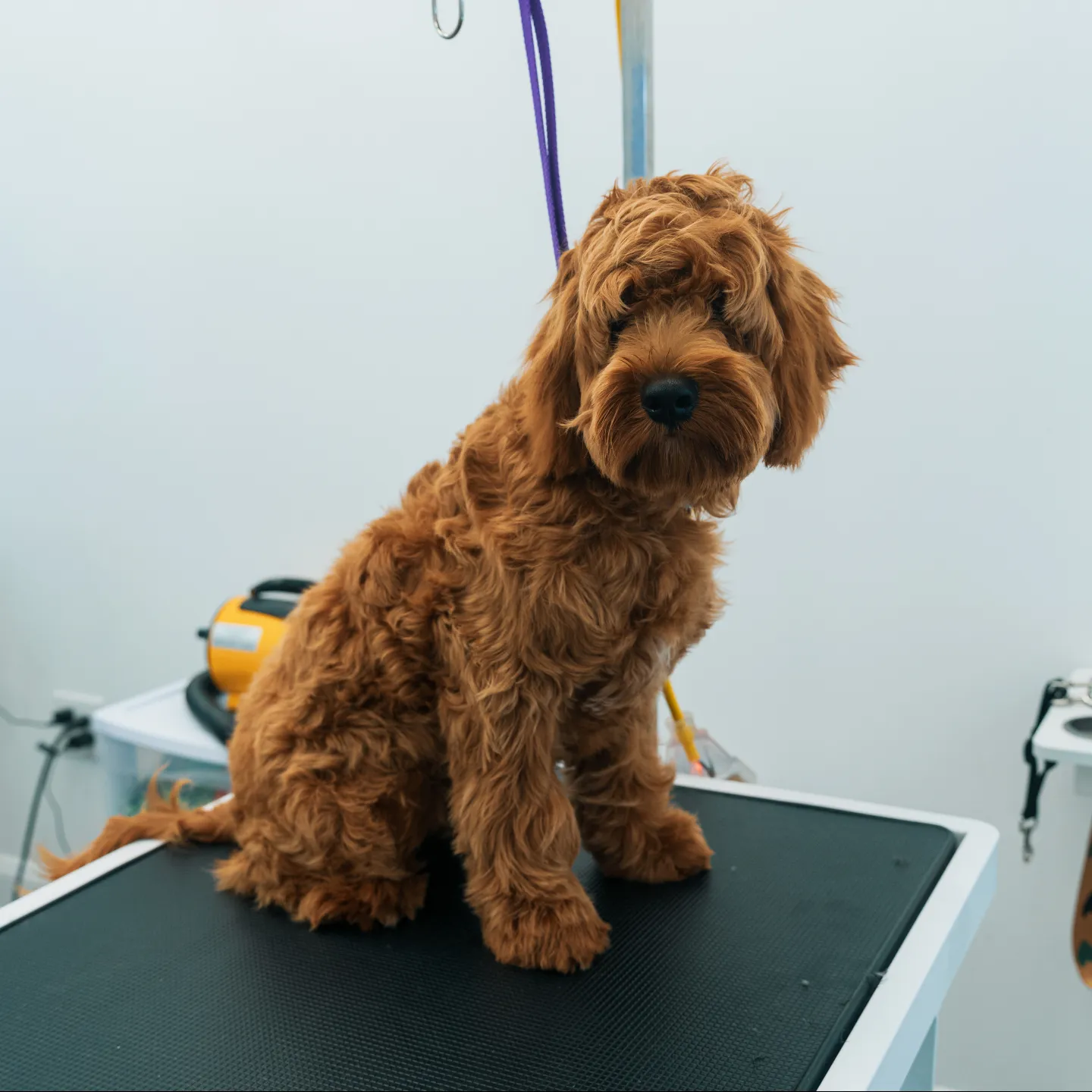
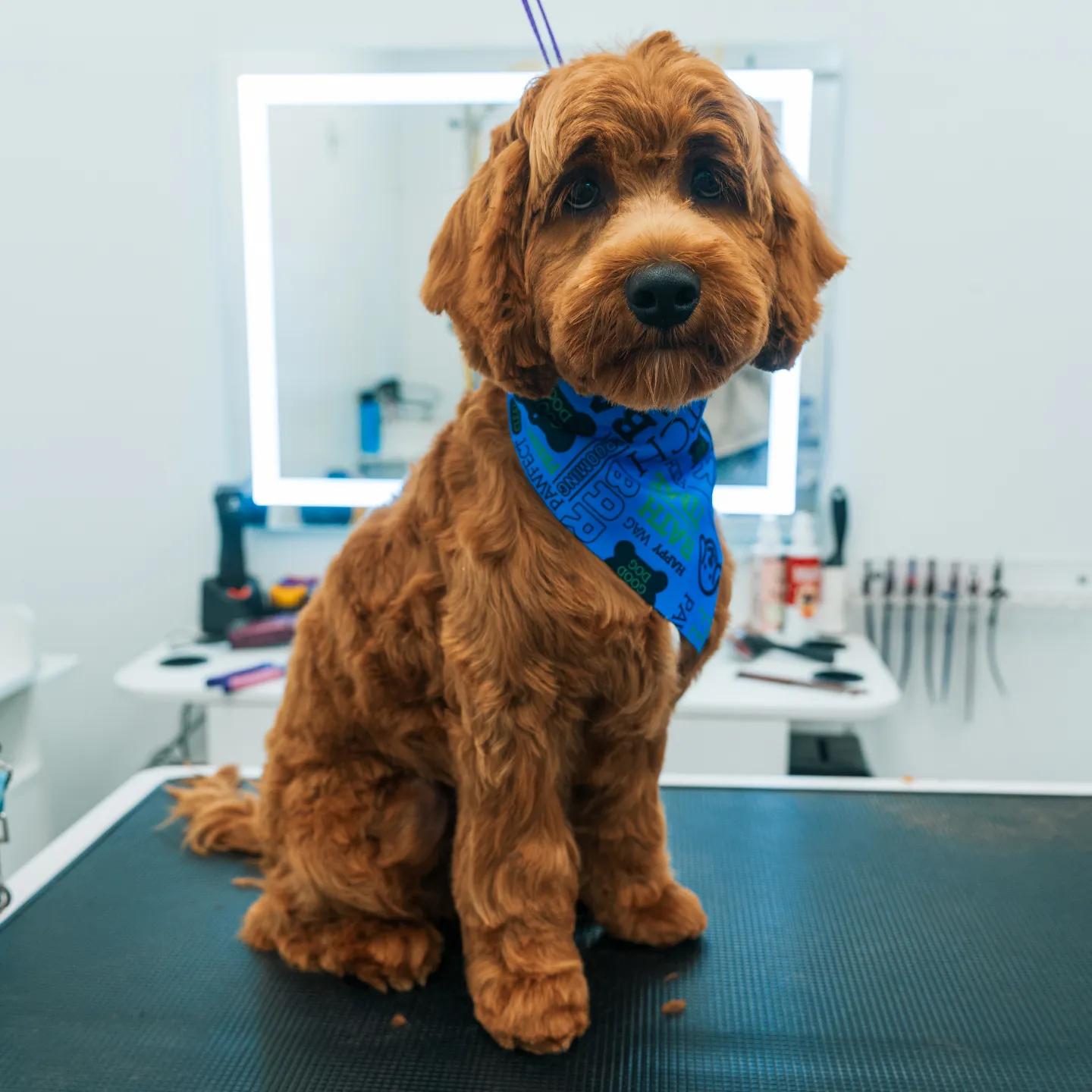
Curly single-coated dogs are a different animal entirely. Doodles, poodles, bichons and their crosses are meant to be clipped, on a schedule, and regrowth is normally dependable. If you have a doodle, the shave-down worry in this article is not really your problem — matting is.
Questions people actually ask
Will it grow back?
In most cases the coat does come back, but on a double-coated dog it can take many months and sometimes longer than a year, and it may not return with quite the same texture. Anyone who gives you a firm date is guessing. If you want a real assessment of where the skin stands, that is a vet question first.
Was this the groomer's fault?
Usually it is not a question of fault. Clippers do not damage follicles. What matters is the coat type and what was asked for — and when a coat is pelted to the skin, clipping is the only option that does not hurt the dog. What a groomer owes you is the conversation before it happens, so the trade-off is your decision.
Can you shave my husky or my golden for the summer?
We would rather not, and we will tell you why at the desk. A double coat insulates against heat as well as cold and shields skin from sun. A bath, a high-velocity dry and a full rake-out gets you a cooler dog and far less shedding, with the coat intact. If there is a medical reason your vet wants the coat off, that is different, and we will work with it.
Should I have the patchy area clipped to blend it in?
No. Blending means cutting the hair that is still trying to come through. Let it grow, keep it brushed so it does not pelt, and tidy only the edges — feet, sanitary, ears.
My dog is losing hair evenly on both sides. Is that the same thing?
That pattern is not what a clipper leaves behind, and it is worth an appointment with your veterinarian rather than a groomer. Bring photos taken a few weeks apart.
Can I bring the dog in just so someone can look at the coat?
Book a bath and brush. The coat tells you far more clean, dried and brushed out than it does dirty, and you leave with an honest read on what is filling in and what is not — plus a plan for the next few months.
The best thing a groomer can do for a double-coated dog is often to talk you out of the haircut you came in asking for.
If you are already living with the aftermath of a clip that happened somewhere else, that is fine — bring the dog in and we will work with the coat you have, not the one you wish you had. Details on the salon are on the East Northport page.
Bring the coat in and let us look at it.
Pick a time online, tell us what happened, and we will give you a straight read on where the regrowth stands and what to do next.
See pricing & book ›16 Laurel Rd, East Northport, NY 11731 · Tue–Sat 9–5
Ready to Pamper Your Pet?
Book a grooming appointment today and give your furry friend the spa treatment they deserve.
Book an Appointment